Building an Effective Skincare Routine for Acne-Prone Skin
 Dr. Jessica Rivera, Dermatologist
Creating an effective skincare routine for acne-prone skin can feel overwhelming. With so many products and conflicting advice, it's hard to know where to start. In this comprehensive guide, we'll break down the essential steps for achieving clearer skin based on dermatological expertise and scientific research.
In This Article
Understanding Acne-Prone Skin
Acne-prone skin is typically characterized by excess oil production, clogged pores, and frequent breakouts. It's important to understand that acne is a complex skin condition influenced by multiple factors, including genetics, hormones, diet, and environmental factors.
Excess Sebum
Overactive sebaceous glands produce too much oil, creating an environment where acne-causing bacteria thrive.
Clogged Pores
When dead skin cells mix with oil, they can plug hair follicles, leading to blackheads, whiteheads, and pimples.
Inflammation
The body's immune response to bacteria and clogged pores results in redness and swelling associated with acne.
Essential Skincare Routine Steps
A basic skincare routine for acne-prone skin should include cleansing, treatment, hydration, and protection. Each step serves a specific purpose in managing acne and maintaining overall skin health.
"Consistency is key when treating acne-prone skin. Most effective routines require 4-6 weeks of regular use before you'll see significant improvements." — Dr. Jessica Rivera, Board-Certified Dermatologist
Your Morning Skincare Routine
Your morning routine should focus on cleansing, treating, hydrating, and protecting your skin for the day ahead. Here's a step-by-step guide:
-
1
Gentle Cleanser
Start with a sulfate-free cleanser to remove any oil and impurities that accumulated overnight without stripping your skin.
-
2
Toner
Use a gentle toner with ingredients like salicylic acid to help unclog pores and balance your skin's pH.
-
3
Acne Treatment
Apply a treatment with benzoyl peroxide or salicylic acid to active breakouts or areas prone to breakouts.
-
4
Hydration
Use an oil-free, non-comedogenic moisturizer to keep your skin hydrated without clogging pores.
-
5
Sunscreen
Apply a broad-spectrum sunscreen with SPF 30 or higher. This is crucial, especially when using acne treatments that can increase sun sensitivity.
Your Evening Skincare Routine
Your evening routine is when you focus on deeper cleansing and treatments that work while you sleep. Here's what to include:
-
1
Double Cleansing
First, use an oil-based cleanser to remove makeup and sunscreen, then follow with a water-based cleanser for a deep clean.
-
2
Exfoliation
2-3 times per week, use a chemical exfoliant with AHAs or BHAs to remove dead skin cells and prevent clogged pores.
-
3
Treatment Serum
Apply a targeted serum with ingredients like niacinamide, retinol, or tea tree oil to address specific concerns.
-
4
Spot Treatment
Apply a stronger spot treatment directly to active breakouts to reduce inflammation and speed healing.
-
5
Night Cream
Use a richer, reparative night cream to hydrate and nourish your skin while it regenerates overnight.
Adapting for California's Unique Climate
California's climate varies from Mediterranean in coastal areas to desert-like in the interior. These different microclimates can affect your skin in unique ways, requiring adjustments to your skincare routine.
Regional Skincare Adjustments:
Coastal California (Los Angeles, San Francisco)
- Increased humidity means you may need a lighter moisturizer
- Morning fog provides some natural protection, but daily sunscreen is still essential
- Consider antioxidant serums to combat pollution exposure in urban coastal areas
Central Valley (Sacramento, Fresno)
- Dry heat can dehydrate skin - increase moisturization during summer
- Higher UV index requires stricter sun protection
- Use humidifiers in winter when indoor heating can further dry skin
Desert Regions (Palm Springs, Mojave)
- Extreme dryness necessitates rich, occlusive moisturizers
- Consider hydrating masks 2-3 times weekly
- SPF 50+ sunscreen is recommended for extended outdoor exposure
Clearstem Products for Acne-Prone Skin
Clearstem offers a range of products specifically formulated for acne-prone skin. Here are some key products to consider incorporating into your routine:
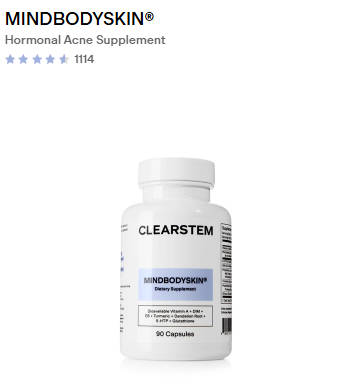
MINDBODYSKIN Hormonal Acne Supplement
A dietary supplement that targets hormonal acne from within, featuring DIM, zinc, and other skin-supporting nutrients.
Learn More
HYDRAGLOW Plant Stem Cell Moisturizer
A lightweight, oil-free moisturizer that hydrates without clogging pores, featuring plant stem cells for added benefits.
Learn MoreSkincare Dos and Don'ts for Acne-Prone Skin
Dos
- Cleanse twice daily with a gentle, sulfate-free cleanser
- Wear sunscreen every day, rain or shine
- Keep your hands off your face to prevent bacterial transfer
- Patch test new products before applying to your entire face
- Be patient - skincare results take time, usually 4-6 weeks
Don'ts
- Don't overwash or scrub your skin aggressively
- Don't pop or pick at pimples - this can lead to scarring
- Avoid using harsh, drying products that can strip your skin
- Don't skip moisturizer, even if your skin is oily
- Don't expect overnight results from any skincare product
Achieving Clear Skin: A Holistic Approach
Remember that skincare is just one part of achieving clear, healthy skin. A holistic approach that includes a balanced diet, regular exercise, adequate sleep, and stress management can significantly improve your skin's appearance.
If you're struggling with persistent acne despite a consistent skincare routine, consider consulting with a dermatologist. They can help identify any underlying issues and recommend prescription treatments if necessary.